
When it comes to driveways, pathways, or commercial surfacing, one of the most common questions we get at Edwards Surfacing is: “How long will this surface actually last?” The answer isn’t a simple number. Lifespan depends on materials, installation quality, usage, and maintenance. This guide breaks it down so you can plan with confidence.
Tarmac (Asphalt) Surfaces
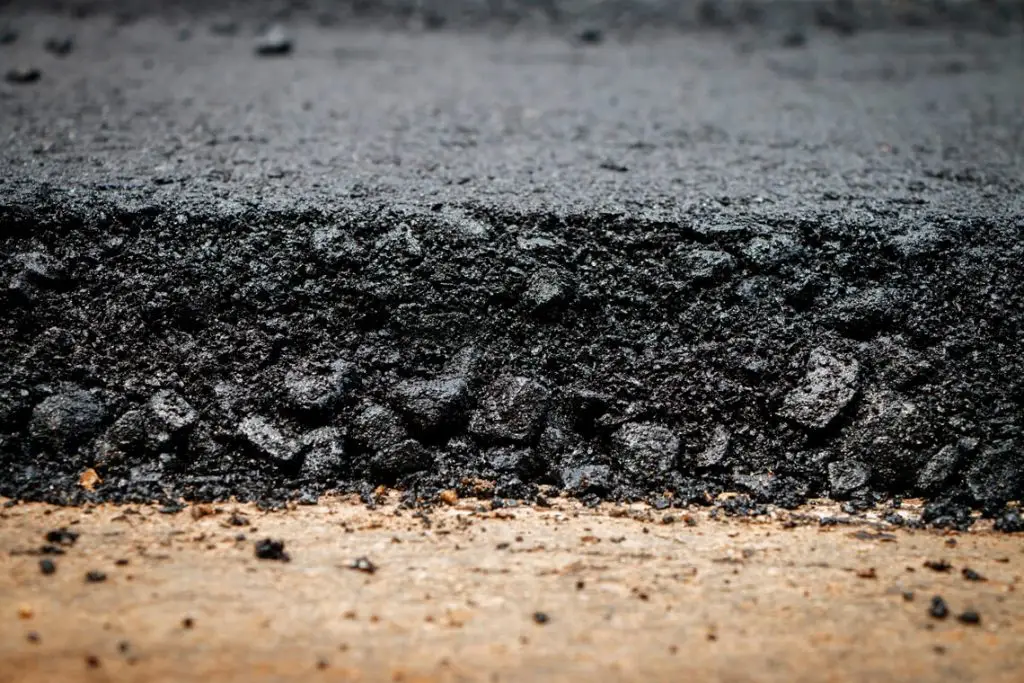
Tarmac, or asphalt, is one of the most popular surfacing choices for both residential and commercial projects.
- Average lifespan: 15–25 years
- Factors affecting longevity: Heavy traffic, poor drainage, extreme weather conditions, and the quality of the base layer.
- Maintenance tips:
- Fill cracks promptly to prevent water damage
- Keep the surface clean from debris and moss
- Consider periodic sealing every 3–5 years to extend life
- Fill cracks promptly to prevent water damage
Resin-Bound Surfacing
Resin-bound surfaces are increasingly popular for driveways, patios, and pathways due to their smooth, durable, and visually appealing finish.
- Average lifespan: 10–20 years
- Factors affecting longevity: UV exposure, ground movement, and drainage issues.
- Maintenance tips:
- Avoid harsh chemicals; use mild detergents for cleaning
- Remove leaves and debris regularly to prevent staining
- Inspect joints and edges for loosening
- Avoid harsh chemicals; use mild detergents for cleaning
Block Paving
Block paving offers flexibility, aesthetic appeal, and a robust surface for both vehicles and pedestrians.
- Average lifespan: 20–30 years (with proper maintenance)
- Factors affecting longevity: Settling of base material, weed growth, and heavy traffic.
- Maintenance tips:
- Refill sand joints to prevent shifting
- Power-wash periodically to remove moss and dirt
- Repair damaged blocks promptly
- Refill sand joints to prevent shifting
Concrete Surfaces
Concrete is durable and strong, often used for both residential driveways and commercial areas.
- Average lifespan: 25–40 years
- Factors affecting longevity: Poor drainage, freeze-thaw cycles, and heavy vehicle loads.
- Maintenance tips:
- Seal the surface to prevent cracking
- Repair minor cracks quickly to avoid spreading
- Avoid de-icing salts that can damage concrete
- Seal the surface to prevent cracking
Key Factors That Influence Surfacing Lifespan
The lifespan of any surfacing depends on more than just the material itself, as several interconnected factors can have a significant impact. For example, the quality of the installation forms the foundation for durability; a carefully prepared base and professional workmanship can make all the difference in how long a surface will last.
Drainage is equally important, since water that pools or fails to run off properly can accelerate wear and lead to premature deterioration.
The amount and type of traffic the surface regularly bears also play a key role, with driveways that support heavy vehicles or commercial car parks naturally experiencing more stress over time.
Environmental conditions, such as repeated freeze-thaw cycles or prolonged wet weather, can further weaken the surface and contribute to cracking or shifting.
Finally, ongoing maintenance is vital, as regular cleaning, repairs, and preventative care can greatly extend the life of any driveway, pathway, or commercial area.
Contact Us Today
While every surface has an expected lifespan, the key to longevity is quality installation and regular maintenance. Whether it’s tarmac, resin, block paving, or concrete, investing in professional surfacing now can save you money and hassle in the long run.
At Edwards Surfacing, we guide homeowners and businesses every step of the way, from material selection to aftercare, so your driveway, pathway, or commercial surface stands the test of time.